

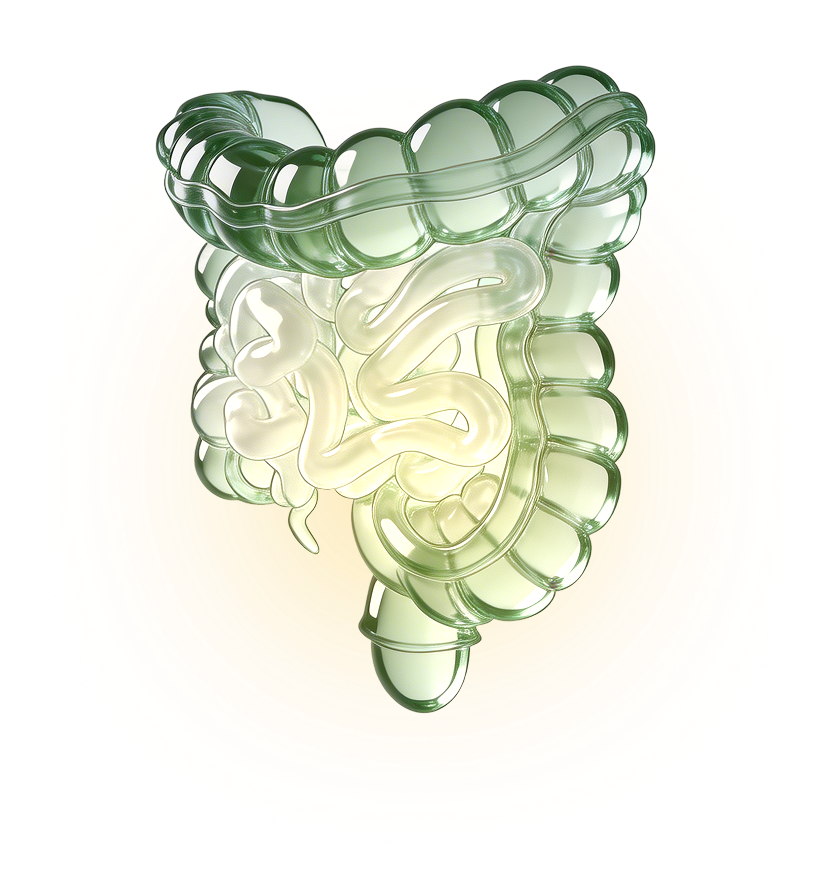

Gut Health

SYSTEMS BIOLOGY > GUT HEALTH

Gut Health: Function, Key Processes and How to Improve it

Gut function influences nearly every aspect of your health — from immunity and metabolism to mood and longevity. Understanding its biology is the first step to optimising it.

LEARN ABOUT GUT HEALTH
Admin
Gut Health: Function, Key Processes and How to Improve it

system biology > GUT Health

Gut Health: Function, Key Processes and How to Improve it

Gut function influences inflammation, cognitive signalling and metabolic stability, making it central to longevity and whole-body function.
Learn about gut health

Why the Gut Health Matters for Longevity

Gut Microbiome and Pace of Ageing:
Low microbial diversity is consistently linked with higher systemic inflammation, weaker metabolic control, and poorer immune resilience. When the gut microbiome loses stability, the effects extend far beyond digestion. The Gut-Brain Connection The gut and brain communicate through neural, immune, and microbial signalling. When the microbiome is disrupted, so is the production of neurotransmitters like serotonin - shifting mood, cognition, and stress response with it.

The Gut-Brain Connection The gut and brain communicate through neural, immune, and microbial signalling. When the microbiome is disrupted, so is the production of neurotransmitters like serotonin - shifting mood, cognition, and stress response with it. Gut Function, Immunity and Metabolism More than 70% of the body's immune tissue sits in the gut. The short-chain fatty acids (SCFAs) produced here regulate insulin sensitivity and inflammation - not as digestive by-products, but as primary metabolic signals.
What we do at FOXO
Why the Gut Health Matters for Longevity

On this page

01

What is Gut Health?

What gut health means, and why it extends beyond digestion.

02

Understanding Gut Health

How the gut processes food, protects the body, and communicates with other systems.

03

What the Gut does in the Body

The gut’s role in nutrient absorption, immune regulation, hormone signalling, and waste elimination.

04

Factors Influencing Gut Health

How nutrition, exercise, sleep, stress, and community shape gut microbiome stability and barrier function.

05

Signs of Gut Imbalance

Five signs that gut function may be under strain, from persistent bloating to mood changes.

06

How FOXO Assesses Gut Health

How gut health is assessed within FOXO’s nine systems biology framework.

07

Ways to Improve Gut Health

Three evidence-backed ways to support microbiome diversity and barrier function.

08

FAQs

Answers to common questions about gut health, the gut microbiome, the gut-brain axis, and digestive support.

What is the Gut?

Gut health is the integrity and function of the gastrointestinal tract, including digestion, absorption, motility, barrier strength, and the balance of the gut microbiome. A healthy gut maintains a stable mucosal lining, coordinated digestive activity, and a diverse microbial ecosystem that supports nutrient metabolism and immune signalling.

When that balance is disrupted by diet, stress, medication, or illness, the effects extend beyond digestion. Because the gut is tightly linked to immune function, gut-brain signalling, and systemic inflammation, it has become one of the most important systems in modern biomedical research.
What is the Gut?

Understanding the Gut

The gut breaks food down into absorbable nutrients and energy while eliminating indigestible waste. It does this through muscular movement, acid and bile secretion, enzymatic breakdown, nutrient absorption, microbial fermentation, and excretion. It is a digestive system, a barrier system, and a signalling system at the same time.

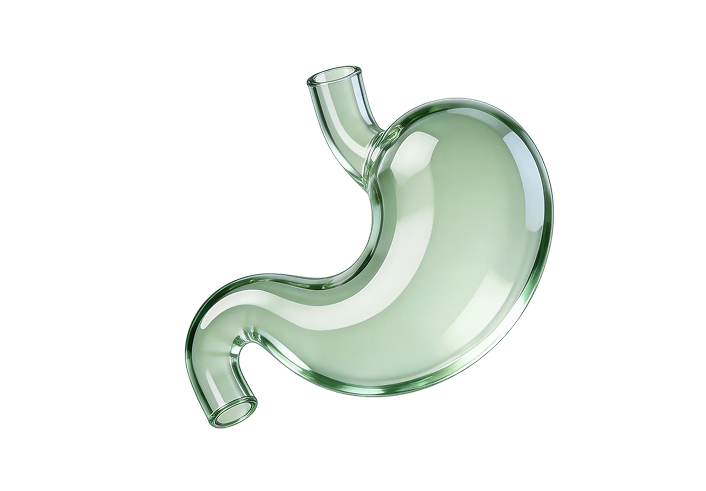
The Stomach

A muscular, J-shaped organ that receives food from the oesophagus and begins chemical digestion. It secretes hydrochloric acid and pepsin to break down proteins, produces intrinsic factor for vitamin B12 absorption, and churns food into chyme before gradually releasing it into the small intestine.

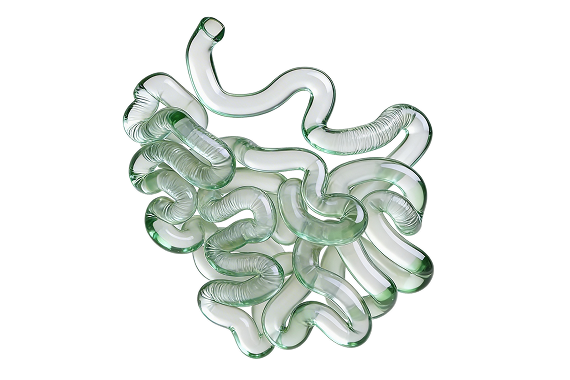
Small Intestine

The primary site of digestion and nutrient absorption. Its inner surface is lined with villi and microvilli that expand surface area, while pancreatic enzymes and bile complete the breakdown of carbohydrates, fats, and proteins before nutrients are absorbed into the bloodstream and lymphatic system.

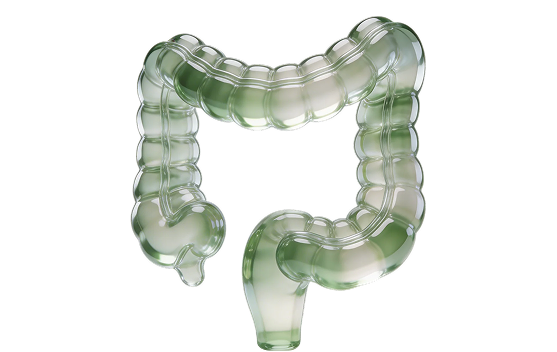
Large Intestine (Colon)

Absorbs water and electrolytes from undigested food, forming waste for excretion. It is also the main habitat of the gut microbiome, where gut bacteria ferment dietary fibre, generate short-chain fatty acids, and help support colon health, barrier integrity, and broader immune regulation.

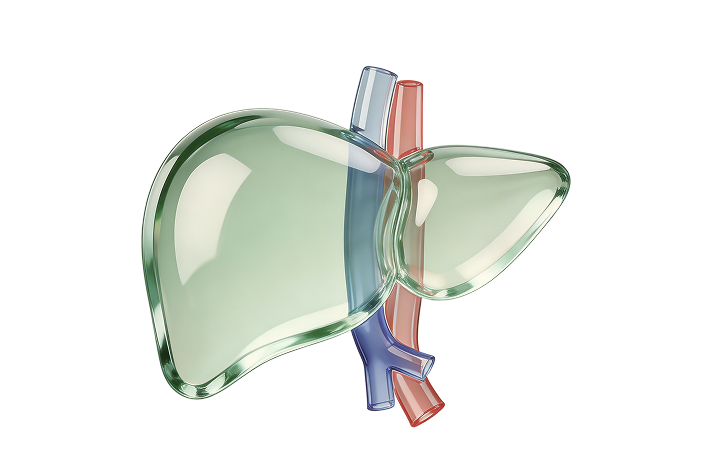
Liver

Produces bile, which is essential for the emulsification and absorption of dietary fats and fat-soluble vitamins. It also processes nutrients absorbed from the gut, helps detoxify substances before they enter wider circulation, and plays a central role in blood glucose regulation and metabolic control.

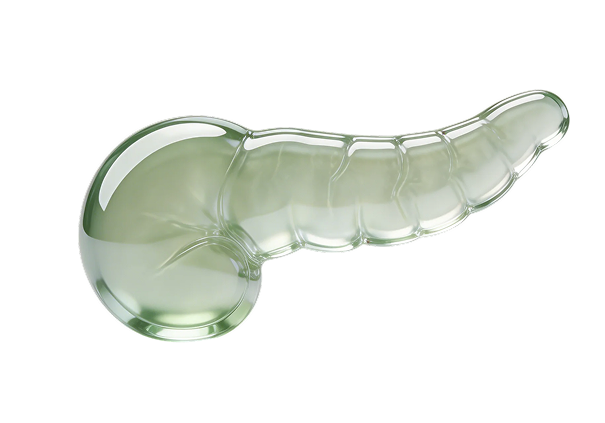
Pancreas

Supports digestion through both exocrine and endocrine functions. It releases digestive enzymes into the duodenum to break down carbohydrates, fats, and proteins. It secretes insulin and glucagon into the bloodstream to regulate blood glucose, linking digestive and metabolic health directly.

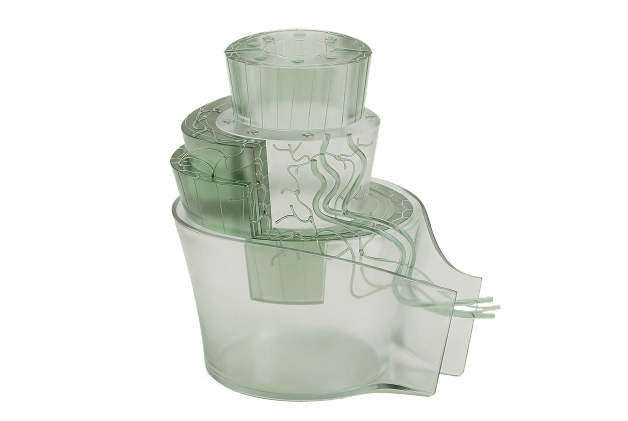
Enteric Nervous System

A network of roughly 500 million neurons embedded throughout the gut wall. Often called the second brain, it regulates motility, secretion, and blood flow within the gastrointestinal tract, and communicates with the brain through neural, endocrine, immune, and microbial pathways.

Interaction with Other Systems

The gut communicates with the brain via the vagus nerve and enteric nervous system, signals to the endocrine system through ghrelin and glucagon-like peptide-1, and supports immune regulation through gut-associated lymphoid tissue and the mucosal barrier.

Impact on Overall Health

A well-functioning gut supports immune defence, metabolic regulation, and gut-brain signalling. When gut health declines, the effects can be systemic, shaping inflammation, metabolic health, mood, and pace of ageing.
What the Gut does in the Body

What the Gut does in the Body

Digests and Absorbs Nutrients

The gut breaks food down into amino acids, fatty acids, and simple sugars, then absorbs them through the intestinal wall. These nutrients supply the energy and raw materials the body uses for repair, signalling, and everyday cellular function.

Regulates Immune Function

Through gut-associated lymphoid tissue and the mucosal barrier, the gut helps train immune cells, regulate inflammation, and defend against harmful microbes. When barrier integrity weakens, systemic inflammatory load can rise.

Produces Neurotransmitters and Hormones

Enteroendocrine cells release appetite-regulating hormones such as ghrelin, GLP-1, and PYY. Gut microbes and their metabolites also influence serotonin signalling through the gut-brain axis.
Core Biological Processes of the Gut

Factors Influencing Gut Health

Gut health is shaped every day by how you live. At FOXO, these five pillars are the main levers influencing gut microbiome stability, barrier function, and wider system resilience.
FOXO PillarsHow it affectsImpactExamples
Nutrition
Dietary composition is the strongest driver of gut microbiome diversity. High-fibre, varied diets support microbial diversity and short-chain fatty acid production, while ultra-processed foods and excess sugar can reduce diversity and promote dysbiosis.HighDietary fibre, fermented foods, probiotic foods, ultra-processed foods, refined sugars.
Exercise
Regular moderate-intensity physical activity supports gut motility and is associated with greater microbial diversity. Sedentary behaviour and repeated overtraining without recovery can disrupt that balance.HighAerobic exercise, resistance training, walking, sedentary behaviour, overtraining.
Sleep
The gut microbiome follows circadian rhythms linked to the sleep-wake cycle. Repeated sleep disruption can reduce microbial diversity, impair barrier function, and alter inflammatory signalling.HighSleep consistency, sleep duration, shift work, circadian disruption.
Stress Management
Psychological stress activates the hypothalamic-pituitary-adrenal axis, alters gut motility and mucosal function, and can shift microbial composition. Chronic stress is one of the most consistent drivers of dysbiosis.HighChronic work stress, breathwork, mindfulness, acute illness, overtraining.
Community
Community can influence gut health through stress buffering and, in close-contact settings, shared microbial exposure. People who live or interact closely may develop more similar microbiomes, while isolation is more consistently linked to inflammation than to a single gut signature.MediumClose relationships, cohabitation, social isolation, loneliness.
NutritionHigh

How it affects

Dietary composition is the strongest driver of gut microbiome diversity. High-fibre, varied diets support microbial diversity and short-chain fatty acid production, while ultra-processed foods and excess sugar can reduce diversity and promote dysbiosis.

Examples

Dietary fibre, fermented foods, probiotic foods, ultra-processed foods, refined sugars.

ExerciseHigh

How it affects

Regular moderate-intensity physical activity supports gut motility and is associated with greater microbial diversity. Sedentary behaviour and repeated overtraining without recovery can disrupt that balance.

Examples

Aerobic exercise, resistance training, walking, sedentary behaviour, overtraining.

SleepHigh

How it affects

The gut microbiome follows circadian rhythms linked to the sleep-wake cycle. Repeated sleep disruption can reduce microbial diversity, impair barrier function, and alter inflammatory signalling.

Examples

Sleep consistency, sleep duration, shift work, circadian disruption.

Stress ManagementHigh

How it affects

Psychological stress activates the hypothalamic-pituitary-adrenal axis, alters gut motility and mucosal function, and can shift microbial composition. Chronic stress is one of the most consistent drivers of dysbiosis.

Examples

Chronic work stress, breathwork, mindfulness, acute illness, overtraining.

CommunityMedium

How it affects

Community can influence gut health through stress buffering and, in close-contact settings, shared microbial exposure. People who live or interact closely may develop more similar microbiomes, while isolation is more consistently linked to inflammation than to a single gut signature.

Examples

Close relationships, cohabitation, social isolation, loneliness.

5 Signs of Gut Imbalance

💨 Persistent bloating or gas
Persistent bloating after meals can indicate dysbiosis, impaired digestion, or conditions such as SIBO or IBS.

🌀 Irregular bowel habits
Frequent constipation, loose stools, or alternating patterns may reflect altered gut motility, microbial imbalance, or inflammatory strain in the gut.

🥱 Unexplained fatigue
Fatigue that lingers despite adequate sleep can sometimes be linked to poor absorption of iron or vitamin B12, with low magnesium also playing a role in some gut conditions.

💢 Mood changes or anxiety
Gut microbiome disruption can affect gut-brain signalling and inflammatory tone, which may contribute to low mood, anxiety, or cognitive changes. 

🦠 Frequent infections
Recurrent infections, autoimmune flares, or persistent skin conditions like eczema may reflect gut barrier compromise - where increased permeability triggers systemic immune dysregulation.
5 Signs of Gut Imbalance

How FOXO Assesses Gut Health

Gut function cannot be captured through a single test. FOXO evaluates it across three layers - each one revealing something the others cannot.

Gut microbiome composition

The diversity, balance, and functional capacity of the microbial ecosystem in your gut.

Lifestyle signals

Patterns in nutrition, sleep, stress, and movement that shape gut function over time.

Multiomics biomarkers

Blood and urine markers that reflect inflammation, metabolic function, and nutrient status across interconnected systems.
Join the Waitlist

FAQs

Gut health refers to the integrity and function of the gastrointestinal tract, including digestion, nutrient absorption, motility, the intestinal barrier, and the balance of the gut microbiome. A healthy gut maintains a stable mucosal lining and a diverse microbial ecosystem that supports immune regulation, metabolism, and gut-brain signalling. When these systems are disrupted, the effects can extend well beyond digestion, contributing to inflammation, nutrient malabsorption, and broader systemic dysfunction.
The clearest signs of a healthy gut are regular bowel movements, normal stool consistency, comfortable digestion, and the absence of persistent symptoms such as bloating, constipation, diarrhoea, or abdominal pain. More precisely, good gut health is associated with effective digestion and absorption, a stable gut microbiome, an intact gastrointestinal barrier, and effective immune function - not all of which can be judged from symptoms alone.
The gut microbiome is the community of bacteria, fungi, archaea, and viruses inhabiting the gastrointestinal tract - with the bacterial component alone estimated at approximately 38 trillion cells in a standard adult. These gut bacteria help break down food components the body cannot digest on its own, support the intestinal barrier, train and regulate immune activity, produce key metabolites such as short-chain fatty acids, and influence neurotransmitter production via enterochromaffin cells. When this ecosystem is disrupted - through reduced microbial diversity or a shift in microbial composition, a state known as dysbiosis - it has been associated with conditions including irritable bowel syndrome, inflammatory bowel disease, type 2 diabetes, obesity, and mood-related disturbances.
The gut-brain axis is the bidirectional communication network between the gastrointestinal tract and the central nervous system. It operates through neural pathways including the vagus nerve and the enteric nervous system, alongside neuroendocrine signalling via the hypothalamic-pituitary-adrenal (HPA) axis, immune pathways, and microbial metabolites. Gut microbiome organisms help shape this communication by influencing serotonin production by enterochromaffin cells, modulating immune and inflammatory signalling, and producing metabolites such as short-chain fatty acids that affect gut-brain signalling. As a result, gut health can influence mood, cognition, behaviour, and stress response, while psychological stress and poor sleep can in turn alter gut motility, barrier function, and microbial composition.
The most evidence-supported way to improve gut health is through consistent lifestyle patterns rather than a single supplement or "gut health" product. Prioritise a diverse, fibre-rich diet built around vegetables, legumes, wholegrains, nuts, seeds, fruit, and other plant foods, because dietary diversity is a major driver of gut microbiome diversity, good gut bacteria, and short-chain fatty acid production - all of which help support barrier integrity and immune balance.

Data from the American Gut Project found that individuals consuming more than 30 different plant types per week had significantly greater microbial diversity than those consuming fewer than 10, regardless of whether they identified as omnivore or vegetarian. Fermented foods can also help: a high-fermented-food diet increased microbiome diversity and reduced several inflammatory markers, including markers associated with gut inflammation. Regular moderate physical activity is also associated with favourable shifts in gut bacteria composition and short-chain fatty acid output, although the human evidence is still developing beyond early cohort and athlete studies. Adequate sleep and stress management matter too, but they are better treated as their own gut-health levers than folded into the same explanation.
Yes. Chronic psychological stress can impair gut health through the gut-brain axis, particularly via hypothalamic-pituitary-adrenal axis signalling and stress hormones such as corticotropin-releasing factor and cortisol. These signals can alter gut motility, weaken mucosal and barrier defences, increase intestinal permeability (sometimes called leaky gut), and shift gut microbiome composition towards dysbiosis. The corticotropin-releasing factor disrupts the gastrointestinal system at multiple levels, from colonic barrier dysfunction and bacterial translocation to mast cell activation and immune dysregulation.

Human data are strongest for stress: acute psychological stress has been shown to increase small-intestinal permeability in healthy adults. Poor sleep and circadian disruption are also linked to changes in the gut microbiome and inflammatory signalling - sleep deprivation has been shown to reduce butyrate-producing gut bacteria and increase pro-inflammatory markers such as IL-6 and TNF-alpha - but the human evidence is less consistent than it is for stress, with much of the mechanistic work still drawn from animal models. So the safest formulation is this: chronic stress is a well-supported driver of gut dysfunction, while poor sleep is an important associated factor that can worsen microbial imbalance and gut-brain signalling.
Ultra-processed foods are the clearest offender. Diets high in refined sugar, industrially processed oils, and refined grains - the hallmarks of the Western diet - consistently reduce gut microbiome diversity and deplete beneficial gut bacteria that produce short-chain fatty acids. When dietary fibre is scarce, certain bacteria begin degrading the gut's protective mucus layer instead, weakening the intestinal barrier and increasing susceptibility to gut inflammation (Desai et al., 2016, Cell). High-fat diets also raise circulating levels of bacterial lipopolysaccharide, an endotoxin that drives low-grade chronic inflammation. Artificial sweeteners such as aspartame and sucralose have separately been shown to disturb the gut microbiome. The practical pattern: the further a food is from its whole, unprocessed form, the more likely it is to compromise gut health.